# Loan Modification Agreements: Documenting Changes for Private Mortgage Success
In the dynamic world of private mortgage lending, flexibility is often a cornerstone of success. Unlike their institutional counterparts, private mortgages frequently involve direct relationships between lenders and borrowers, fostering an environment where adjustments and accommodations can be made. However, this flexibility, while beneficial, demands meticulous attention to detail, particularly when it comes to altering the original terms of a loan. This is where a well-crafted loan modification agreement becomes not just a legal formality, but a vital instrument for stability and long-term success.
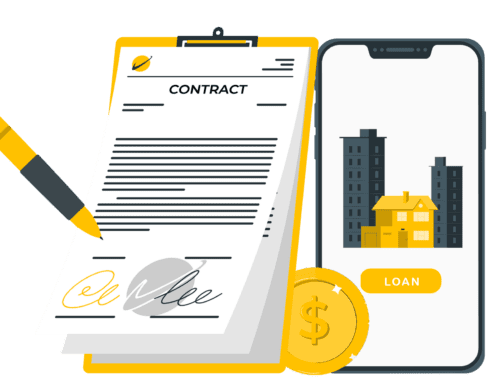
At its heart, a loan modification agreement is a legal document that formally changes the terms of an existing mortgage without replacing the original promissory note. It’s a testament to adaptability, allowing both parties to navigate unforeseen circumstances or seize new opportunities. For private mortgage holders, who might be individual investors, funds, or even sellers carrying paper, understanding and expertly executing these agreements is paramount to protecting their asset and ensuring a healthy borrower relationship.
## The Evolving Landscape: Why Modifications Become Necessary
Life, as they say, happens. Borrowers might face unexpected financial hardships, such as job loss, medical emergencies, or significant life events, making it difficult to meet their original payment obligations. In such scenarios, a modification can offer a lifeline, preventing default and preserving the value of the underlying asset for the investor. Rather than pursuing a potentially lengthy and costly foreclosure process, a modification allows for a proactive, collaborative approach.
Beyond hardship, modifications can also arise from strategic considerations. Perhaps market conditions have shifted, making a slight adjustment to the interest rate beneficial for both parties, encouraging continued performance. Or perhaps the borrower wishes to make a partial principal payment and wishes to have the remaining term or payment amount adjusted accordingly. In the private mortgage space, where each note is unique, the reasons for modification are as varied as the loans themselves, underscoring the need for a robust and clear framework to implement these changes.
## Crafting the Agreement: Precision and Plain Language
The essence of a successful loan modification agreement lies in its clarity, precision, and legal enforceability. This is where expertise truly shines, transforming what could be a complex legal document into a straightforward understanding for all parties involved.
### Beyond a Handshake: The Legal Imperative
It cannot be overstated: every change, no matter how small, to the original terms of a mortgage must be documented. A verbal agreement, no matter how sincere, holds little weight in the eyes of the law. Without proper documentation, any alteration could lead to confusion, disputes, and potentially undermine the legal standing of the original note. A thoroughly documented modification agreement mitigates these risks, providing a clear, unambiguous record of the updated terms. This protects the lender’s investment and provides the borrower with a definitive understanding of their new obligations, fostering trust and preventing future misunderstandings.
### Key Elements of a Solid Modification Agreement
A robust loan modification agreement clearly outlines all new terms, leaving no room for interpretation. It typically includes:
* **Identification of Parties and Original Loan:** Clearly stating who the lender and borrower are, and referencing the original promissory note and mortgage/deed of trust with recording information.
* **Detailed New Terms:** This is the core. It must explicitly state changes to the interest rate, payment amount, payment schedule, maturity date, and any adjusted principal balance. If late fees or escrow requirements are being modified, these details must also be precisely outlined.
* **Acknowledgment of Original Terms:** A crucial clause affirming that all other terms and conditions of the original loan documents remain in full force and effect, except for those specifically modified. This prevents unintended consequences and ensures the foundational agreement remains valid.
* **Consideration:** Acknowledgment that both parties receive a benefit from the modification.
* **Signatures and Notarization:** All parties involved must sign the agreement, and it should be notarized to ensure legal validity and facilitate recording where applicable.
By meticulously detailing these elements, the agreement becomes a clear roadmap for the modified loan, safeguarding the interests of all stakeholders.
## The Servicer’s Role: Navigating the Nuances
For private mortgage lenders and investors, navigating the intricacies of loan modifications can be time-consuming and fraught with potential pitfalls. This is where a professional, experienced mortgage servicer becomes an invaluable partner. A servicer acts as the critical intermediary, preparing the necessary documentation with meticulous attention to detail, ensuring compliance with relevant regulations, and communicating effectively with all parties.
Their expertise ensures that every modification agreement is legally sound, accurately reflects the agreed-upon changes, and is properly executed and recorded. This professional oversight not only streamlines the process but also provides a layer of protection, mitigating the risk of future disputes and preserving the integrity of the investment. From drafting the initial agreement to coordinating signatures and ensuring proper record-keeping, the servicer plays a pivotal role in transforming a flexible adjustment into a legally binding, successful outcome.
## Ensuring Private Mortgage Success
Loan modification agreements are powerful tools in private mortgage servicing, enabling flexibility and preserving asset value. For lenders, brokers, and investors, understanding their critical role and ensuring their expert execution is vital. A well-documented modification isn’t just about changing numbers; it’s about safeguarding your investment, maintaining strong borrower relationships, and navigating the complexities of the market with confidence and clarity. By ensuring every change is professionally documented, you protect your interests, enhance the stability of your portfolio, and lay the groundwork for long-term success in the dynamic world of private mortgage notes.
—
To simplify your servicing operations and ensure every loan modification is handled with expert precision, learn more at NoteServicingCenter.com or contact Note Servicing Center directly today.
—
“`json
{
“@context”: “https://schema.org”,
“@type”: “BlogPosting”,
“mainEntityOfPage”: {
“@type”: “WebPage”,
“@id”: “https://noteservicingcenter.com/blog/loan-modification-agreements-private-mortgage-success”
},
“headline”: “Loan Modification Agreements: Documenting Changes for Private Mortgage Success”,
“image”: [
“https://noteservicingcenter.com/images/loan-mod-agreement-hero.jpg”,
“https://noteservicingcenter.com/images/private-mortgage-notes-desk.jpg”
],
“datePublished”: “2023-10-27T08:00:00+00:00”,
“dateModified”: “2023-10-27T08:00:00+00:00”,
“author”: {
“@type”: “Organization”,
“name”: “Note Servicing Center”
},
“publisher”: {
“@type”: “Organization”,
“name”: “Note Servicing Center”,
“logo”: {
“@type”: “ImageObject”,
“url”: “https://noteservicingcenter.com/images/noteservicingcenter-logo.png”
}
},
“description”: “Understanding the critical role of well-documented loan modification agreements in ensuring stability and success within private mortgage servicing. This article delves into why modifications are necessary, what elements a solid agreement must contain, and the vital role of professional servicing in protecting lenders, brokers, and investors.”
}
“`